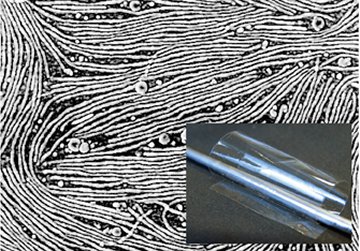
Wired Viruses: New electrodes could make better batteries
With the aid of a bacteria-infecting virus, researchers have engineered cobalt oxide-and-gold nanowires that can be used as electrodes for lithium-ion batteries. The work could lead to thin and flexible power sources, the scientists say.