In a throwback to the bulky electromechanical computers of the 1940s, future memory chips might harbor moving parts, gently nudging each other. This time, data would be stored by billions of carbon nanotubes acting as mechanical switches.
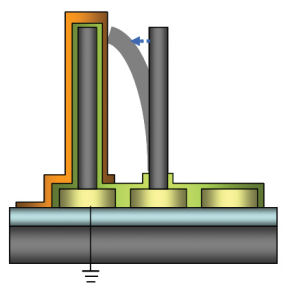
In a throwback to the bulky electromechanical computers of the 1940s, future memory chips might harbor moving parts, gently nudging each other. This time, data would be stored by billions of carbon nanotubes acting as mechanical switches.