Four billion years ago, the Martian surface may have been cold and dry — not warm, watery and more Earthlike than it is today, as many scientists have suggested.
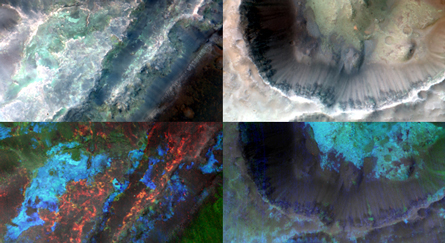
Four billion years ago, the Martian surface may have been cold and dry — not warm, watery and more Earthlike than it is today, as many scientists have suggested.